All about:
How to prepare for a hike: what you need to know before you set off
Hiking is more than just walking. It's a break from the daily grind, a moment to yourself or to share, a breath of fresh air. To make the most of it, good preparation is essential. Too often neglected, upstream organization makes all the difference between a pleasant memory and a hazardous experience. Start by defining your itinerary. It must be adapted to your level, your physical condition and the time you have available. A 3-hour loop hike of moderate difficulty will not have the same impact as a two-day hike in the mountains. It's up to you to find the right compromise between escapism and realism. Find out exactly how long the trip will last, how far it will take, what type of trails you'll be using and whether there will be any water points or rest stops. Think about the weather too: it has a direct influence on the nature of the terrain - slippery in the forest, dry and rocky at altitude - and therefore on your comfort and safety, as well as your choice of clothing and food. When it comes to equipment, there's no need to pack your whole house. On foot, every gram counts. A light, well-organized bag, with the essentials: water bottle, snacks, map or GPS, first-aid kit, waterproof jacket, and possibly a torch if the hike drags on. For the rest, stick to the bare essentials rule. Choosing the right hiking boots: comfort and safety first
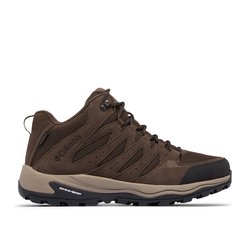
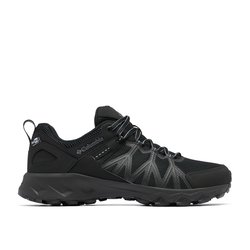
Your feet are your best allies when hiking. Neglecting them means risking blisters, slips and unnecessary pain. The right hiking boots make all the difference. They must be adapted to the type of trail you intend to follow: wooded paths, damp forests, mountain trails or stony terrain. For half-day hikes of low to medium difficulty, a light, flexible pair will suffice. Ideal for hiking, they offer sufficient support while maintaining good freedom of movement. For mountaineering or longer distances, it's better to choose a high-cut shoe, which protects the ankle and offers better grip on sloping or uneven terrain. The weight of the shoe also comes into play: too heavy for long walks, and the foot becomes fatigued. Too light for high-altitude trail running? It exposes you to potential accidents. These are the compromises to be found, depending on what you're doing. Remember: always test your shoes before setting out on a long hike. Walk in them and wear them for several hours. That's the only way to be sure they're right for your feet and the use you'll be putting them to. Last but not least, don't forget to wear special socks that reduce chafing and wick away moisture. It's a simple but highly effective way of prolonging comfort throughout your outing. Tailor your hikes to your desires and physical condition
Not all hikes have the same objective. Some seek to surpass themselves physically. Others aim for relaxation, contemplation and contact with nature. Just listen to yourself. What counts is that the experience is consistent with what you're looking for and what you need today. As a family, prefer flat trails with little gradient. A 5 to 8 km loop may be enough to discover a forest, follow a river or spot animal tracks. Plan frequent breaks, adjust the pace for children, and create a fun trail by pointing out the local flora and fauna. For a walk with sporty friends, you may want to consider a longer distance, or explore a mountain itinerary over an entire day. In this case, be sure to check the estimated duration, shaded areas, drinking water and picnic areas. The time of departure is also strategic: the earlier you set off, the sooner you'll avoid the heat and benefit from natural light. Finally, if your objective is purely sporting, you can opt for a trail-type hike, with a steady pace and running sequences. In this case, you'll need special equipment, a bag that's as light as possible, and shoes that can absorb the regular jolts. Be prepared to adjust your technique according to the difficulty of the terrain, and don't forget: staying hydrated remains the golden rule, whatever your pace. Hiking offers an infinite number of possibilities. It's up to you to build your experience according to your desires, your level and your constraints. This time spent outdoors, alone or accompanied, reconnects you with what's essential. And perhaps that's the real luxury.
 Download the app by scanning this QR code and receive 15% off your 1st order


.png)


.png)